Solar + EV Integration in Hawaii: Powering Your Electric Vehicle with Solar
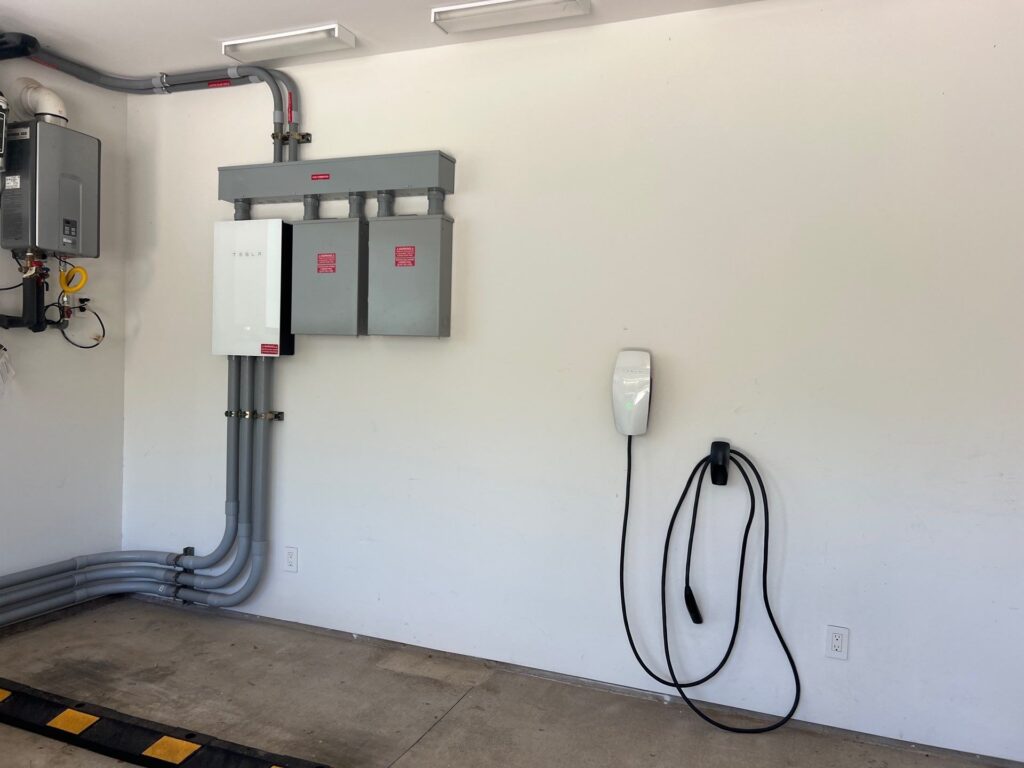
With some of the highest electricity rates in the nation and year-round solar potential, combining solar panels with EV charging creates an unbeatable combination for Hawaii homeowners. At Independent Energy Hawaii, we’ve helped countless families achieve true energy independence by integrating solar power with electric vehicle charging systems.
The synergy between solar energy and electric vehicles represents more than just cost savings, it’s about taking control of your energy future while contributing to Hawaii’s clean energy goals. When you charge your EV with solar power, you’re eliminating both gasoline costs and grid electricity expenses for your transportation needs.
How Solar EV Charging Works
Understanding how to charge your EV with solar panels is simpler than you might think. Your solar panels capture sunlight and convert it into DC electricity, which flows through an inverter to create AC power compatible with your home’s electrical system. This clean energy can then power a Level 2 home EV charger, delivering fast, efficient charging directly from your rooftop.
In grid-tied systems, excess solar production flows back to the grid during peak sunshine hours, while your EV charging can draw from both solar production and stored grid credits. For maximum energy independence, off-grid setups with battery storage allow you to charge your vehicle entirely from stored solar energy, even after sunset.
Benefits of Charging Your EV with Solar
Lower Charging Costs
The financial advantages of solar EV charging in Hawaii are substantial. Hawaiian Electric’s residential rates average around $0.36-$0.44 per kWh, while solar energy costs typically drop to $0.08-$0.12 per kWh over the system’s lifetime. For the average Hawaii driver covering 12,000 miles annually in an efficient EV, this translates to savings of $800-$1,200 per year on “fuel” costs alone.
Energy Independence
Solar-powered EV charging shields you from both volatile gasoline prices and utility rate increases. Hawaii’s electricity rates have risen consistently over the past decade, but once your solar system is installed, your transportation energy costs become predictable and stable. This independence becomes especially valuable during supply chain disruptions or geopolitical events that typically drive energy prices higher.
Environmental Impact
Combining solar panels with electric vehicles achieves true zero-emission driving. While EVs are already cleaner than gasoline vehicles, charging them with solar power eliminates even the indirect emissions from Hawaii’s grid electricity generation. This powerful combination helps Hawaii progress toward its ambitious goal of 100% renewable energy by 2045.
Equipment Needed for Solar EV Integration
Successfully integrating solar with EV charging requires careful planning and proper equipment selection:
Solar Panel Array Sizing: Most EVs require 3,000-4,000 kWh annually for typical Hawaii driving patterns. This translates to approximately 2-3 kW of additional solar capacity beyond your home’s existing energy needs. Our team analyzes your driving habits and energy usage to design the optimal system size.
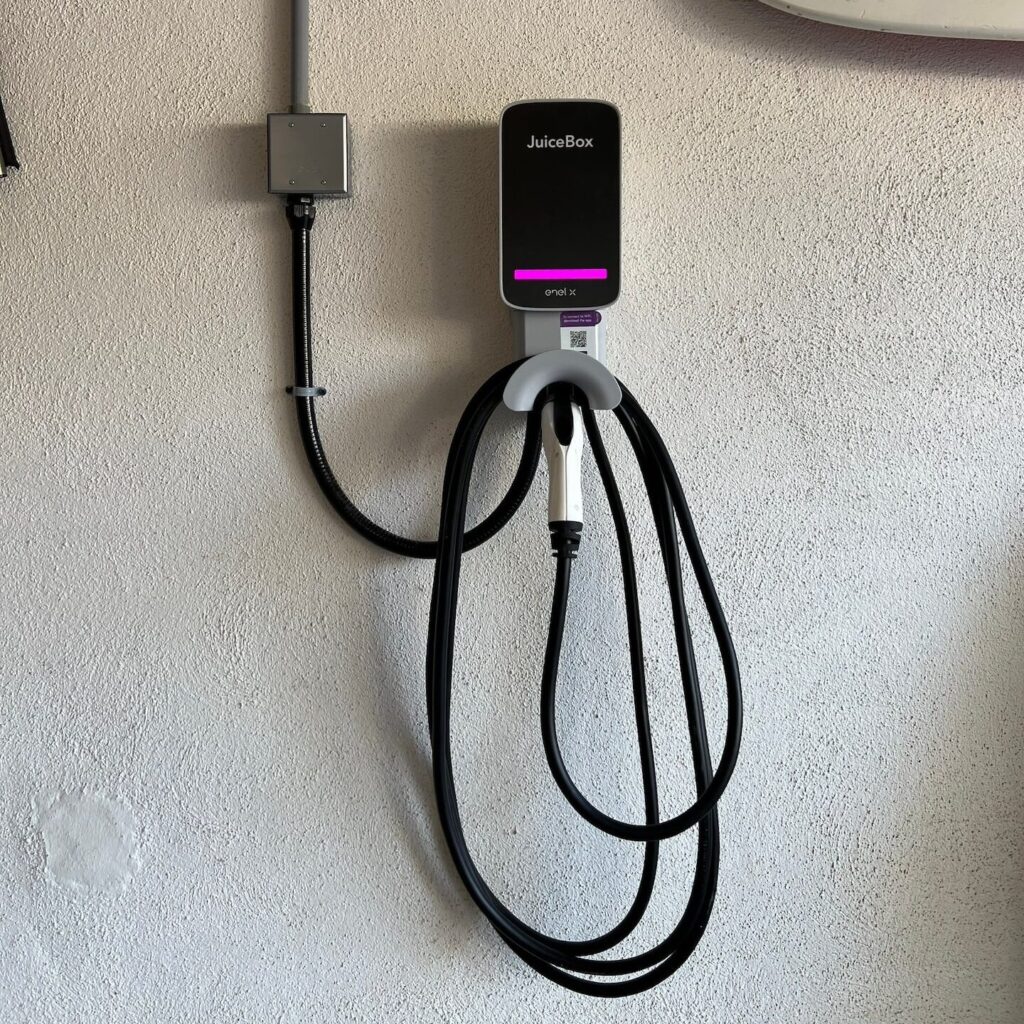
Level 2 Home EV Chargers: While standard 120V outlets can charge EVs, Level 2 charging stations operating at 240V provide much faster charging speeds. These stations can fully charge most EVs in 4-8 hours, perfectly complementing solar production patterns and overnight charging schedules.
Battery Storage Integration: Adding Tesla Powerwall, Enphase battery, or other storage systems enables night charging from stored solar energy. This maximizes your solar investment and provides backup power for both your home and vehicle during outages.
Cost and Payback Analysis in Hawaii
Here’s a realistic cost breakdown for a typical Hawaii household adding solar EV charging capability:
| Component | Cost Range | Annual Savings |
| Additional 3kW Solar Array | $6,000-$9,000 | $1,200-$1,500 |
| Level 2 EV Charger | $500-$1,200 | $800-$1,200 |
| Installation & Permits | $1,000-$2,000 | – |
| Total Investment | $7,500-$12,200 | $2,000-$2,700 |
With federal tax credits reducing costs by 30%, most homeowners achieve payback in 3-5 years while enjoying 25+ years of nearly free transportation energy. These numbers become even more attractive when considering avoided gasoline costs, which can easily exceed $2,000 annually for Hawaii drivers.

Pairing Solar with Battery Storage
Battery storage transforms solar EV charging from a daytime-only solution to a 24/7 energy independence system. Modern solar batteries like the Tesla Powerwall or Enphase systems can store excess solar production during the day for EV charging at night.
This integration proves particularly valuable in Hawaii, where time-of-use rates make evening electricity more expensive. By charging your EV from stored solar energy during peak rate periods, you maximize both your savings and energy independence. Additionally, battery backup ensures you can still charge your vehicle during power outages, providing essential transportation reliability.
FAQs on Solar + EV Charging
Yes! Grid-tied systems allow you to draw power from the grid when solar production is insufficient, while battery storage systems provide stored solar energy for night charging.
Most Hawaii drivers need 2-3 kW of additional solar capacity, but this varies based on driving patterns, vehicle efficiency, and charging preferences.
Existing systems can often accommodate EV charging loads, though you may need additional panels or electrical upgrades depending on your current setup.
Grid-tied systems automatically supplement solar production with grid electricity, while battery systems can store several days of charging capacity during sunny periods.
How Independent Energy Hawaii Maximizes Your Solar + EV Benefits
Navigating the intersection of solar technology and EV charging requires specialized expertise. Our comprehensive approach ensures you get the maximum benefit from both technologies:
- Integrated System Design: We design solar panels for your home specifically to accommodate both household and transportation energy needs
- Load Analysis: Our detailed energy audits determine optimal system sizing for your unique driving and energy patterns
- Future-Proofing: We plan systems with expansion capability as your EV adoption and energy needs evolve
- Permitting Expertise: Our team handles all permitting and utility interconnection requirements
- Ongoing Support: From installation through maintenance, we provide complete lifecycle support for your integrated energy system
The combination of Hawaii’s abundant sunshine, high electricity rates, and generous incentives creates an ideal environment for solar EV charging. Whether you’re considering your first EV purchase or looking to optimize an existing setup, solar integration offers compelling financial and environmental benefits.
Ready to harness the power of the sun for your daily commute? Contact (808) 460-6015 Independent Energy Hawaii today to discover how solar EV charging can reduce your energy costs while supporting Hawaii’s clean energy future.